Free public Webinar
MONDAY 26th January 2026, 7pm
Peat & Peatlands: considerations for horticulture, climate and their management for carbon, water and biodiversity
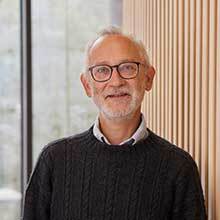
Dr Andreas Heinemeyer, Senior Research Fellow Ecosystem Ecology, Stockholm Environment Institute, York
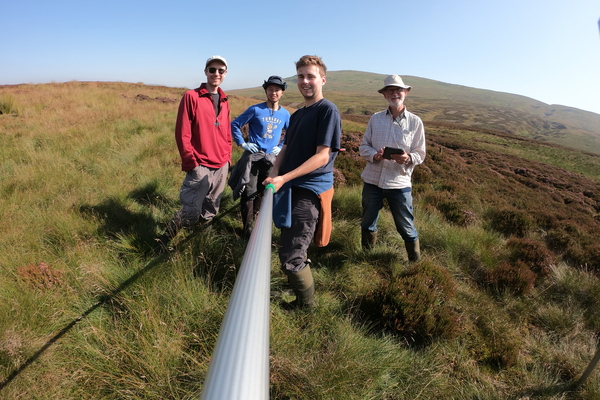
Peatlands contain most of our ecosystem carbon stores, much more than in forests. Peat depth can be several metres thick, reflecting slow but steady accumulation of soil organic matter over thousands of years. The reasons for this accumulation are mostly cool, acidic and waterlogged conditions. Especially in the UK uplands, blanket bogs can cover the landscape in a blanket of deep peat. However, much of this landscape has undergone changes in the past including cutting peat for fuel and cultivating it for agriculture. Drainage and heather management have come under intense scrutiny in recent decades, with drains being blocked and burning being increasingly banned. In the UK lowlands, raised bogs and fens used to cover vast areas, but many of them have been lost due to drainage and use for horticultural peat. Many of the remaining areas are still providing us with many vegetable crops and increasingly a management change to palludiculture is considered. All these changes to management and restoration efforts try to make peatlands more resilient to climate change and enhance carbon and water storage as well as biodiversity gains. However, things are never either black or white. This talk will provide a critical overview of the role of peatlands, historic use and current management challenges to ensure future ecosystem functions for all of us.
Biography
Andreas has over 20 years' experience in the field of terrestrial carbon cycling focusing on impacts of management and climate change on soils in forests, agriculture and peatlands, and the related functioning of terrestrial ecosystems and ecosystem services provisioning. He developed the MILLENNIA peatland model and uses other carbon models such as RothC, Century and DNDC. Andreas combines expertise across modelling to measurements of carbon stocks and fluxes, including greenhouse gas emissions.
He joined SEI York in 2002 as a postdoctoral researcher within the Centre for Terrestrial Carbon Dynamics (CTCD). In 2008 he joined the National Centre for Earth Observation (NCEO), a follow-up of the CTCD. Andreas became Research Group Leader in October 2014 and has been leading a long-term peatland project (initially DEFRA-funded, BD5104) on peatland vegetation management and ecosystem services in the UK.
At the international level, he was involved in organising soil science/methodological courses and advising the UNFCCC in relation to defining peatlands as carbon stores within UN agreements. At the national level, he was involved in many groups related to peatland functioning and management, for example, the Upland Hydrology group and the Upland Management group. In his current work he frequently interacts with all major upland land management groups, government agencies (e.g. Natural England) and departments (e.g. DEFRA).


